
THÖKERCO Styling Journal
THÖKERCO JOURNAL · STYLE
Styling Journal
A visual study of how jewellery and accessories change the feeling of a look.
Adornment, before fashion
Before jewellery became fashion, it was already a language.
Archaeological evidence shows that people have adorned themselves with shells, beads, stones, bone and metal for thousands of years. Across different societies, adornment has carried many meanings from identity and belonging to status, ceremony, ritual and personal expression.
The materials and meanings have changed across time and place, but the instinct remains familiar: we use what we wear to add significance to the way we move through the world.
Necklace of Gold Ball Beads · Egypt · ca. 1981–1975 B.C. · The Metropolitan Museum of Art · Public Domain
Necklace of Lentoid Beads · Egypt · ca. 1479–1425 B.C. · The Metropolitan Museum of Art · Public Domain
The language of the shell
Shells, beads and adornment across Africa.
Across African contexts, shells, beads and other materials have appeared in forms of adornment whose meanings and uses vary by community and period. Cowries in particular have a long history in African and Egyptian contexts, where they could be worn as adornment and held meanings that extended beyond decoration.
The shell is small. The story it carries can be much larger.
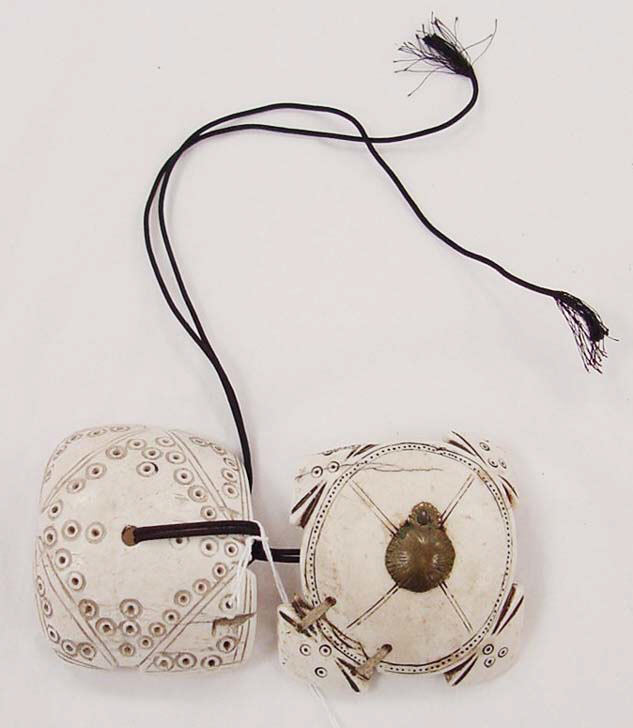
Necklace · African · late 19th century · Shell, silk/cotton and metal · The Metropolitan Museum of Art · Public Domain
Necklace Rattle · African · ca. 1850–1889 · Shells and vegetal twine · The Metropolitan Museum of Art · Public Domain
String of Cowrie Shells · Egypt · ca. 1080–343 B.C. · The Metropolitan Museum of Art · Public Domain
Today, that language continues in a more personal form. A necklace can change the feeling of a neckline. An earring can draw attention to the face. A ring can become part of a daily ritual. A handbag can alter the balance of an entire look.
The pieces may change. The instinct to adorn remains.
The modern ritual
Style begins with the relationship between the piece and the person wearing it.
Not every look needs more. Sometimes it is one considered detail. Sometimes it is layering, contrast or proportion. The art is knowing when to add — and when to leave space.

The detail
Let the earrings lead.
A statement earring can become the focal point of an otherwise restrained look.

The finish
Let the bag shape the look.
A handbag can change proportion, structure and the overall rhythm of an outfit.

Proportion
Balance statement pieces.
When one accessory carries the visual weight, keep the surrounding details considered and clean.

The softer edit
Add lightness through detail.
Pearl-led pieces bring a softer visual note while keeping the overall look refined.
The THÖKERCO edit
Style begins with the details.
The Styling Journal documents the relationship between the piece and the look: earrings frame the face, necklaces change proportion, bracelets and rings add detail, and handbags shape the overall impression.
The aim is not to prescribe one way of dressing. It is to show how the same THÖKERCO piece can be considered within different wardrobes, moods and moments.
The styling language
THÖKERCO point of view
“Elegance, Reimagined.”
Refined pieces, considered styling and a personal approach to how you wear them.
